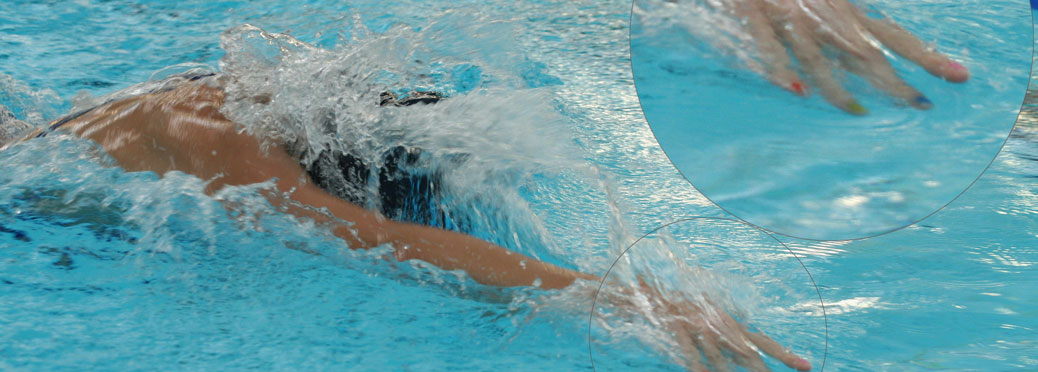
It’s often one of the first things children are taught when learning to swim: keep your fingers together and make your hand like a paddle. When the alternative in a beginner is fingers splayed wide apart this can be a sensible approach, but when a greater degree of proficiency is reached and swimmers seek every possible technical advantage from their stroke, is it still valid?
The relative weakness of Britain’s men’s sprint programme over the last ten years has been a running theme but here we find ourselves in 2011, a pre-Olympic year with a world championships looming and nothing having really changed.
Since winning the world title in 2001, Britain’s 4x200m freestyle relay team has been seen as one of the national team’s greatest strengths, but is it as strong as we think? And can it challenge in Shanghai?
Selection policies are funny things. The obvious course of action seems to be to pick the fastest swimmers and be done with it, but often federations like to impose a variety of additional criteria, and then in the case of recent events in Australia, not even stick to them.
Swimming Australia has appointed Bill Sweetenham as a mentor to it's top coaches in a move designed to improve their coaching standards and to help reverse a perceived coaching 'brain drain' from the world's number two swimming nation.
Since leaving his post as Britain's National Performance Director in 2008, Sweetenham has worked with national teams from … Continue Reading→